
 0
0
 0
0
Privacy policies can be long, but most users do not need to read every paragraph from beginning to end. A more practical approach is to identify the sections that reveal what happens to your information: what is collected, why it is needed, whether other companies receive it, whether it leaves the country, how long it remains stored, and what choices you have.
For Korean services, these subjects are commonly separated into sections covering collection and use, retention, third-party provision, outsourced processing, overseas transfers, destruction, user rights, and policy changes. The same structure can be used as a reading checklist rather than treating the policy as one continuous legal document.
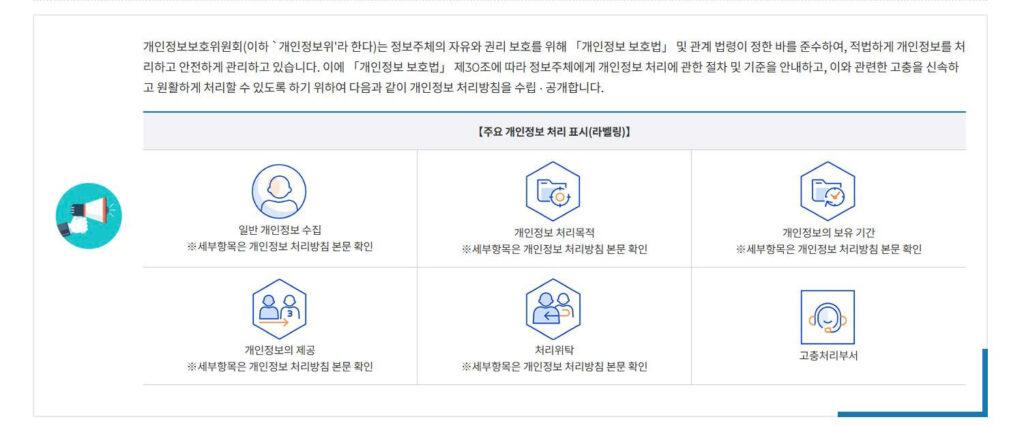
Itemized Categories of Collected Information
The first useful section is the list of personal information collected by the service. Instead of looking only at broad labels, identify the individual data items underneath them.
Information entered directly by the user may include a name, email address, telephone number, delivery address, profile information, or payment-related details. Other information can be generated automatically while the service is used, including IP addresses, device information, cookies, access logs, searches, clicks, and usage records.
Pay particular attention to grouped expressions such as “service usage information,” “device information,” or “activity data.” These labels can include considerably more information than the heading suggests. Look for a table, explanatory footnote, or collection screen showing the actual examples.
The registration and payment screens can also provide useful context. Comparing what the privacy policy says with what the service actually asks you to enter makes it easier to distinguish required information from optional information.
Purposes Attached to Required Collection
A list of information is much more meaningful when every item has a recognizable purpose.
An email address may be necessary for account creation or password recovery. A delivery address makes sense for physical purchases. Payment information can support billing, while access records may be used for security or fraud prevention.
Other purposes require closer attention. Location data, contact lists, advertising identifiers, or detailed behavioral information may be useful for certain services but unnecessary for others.
At registration, look at whether these permissions are mandatory or optional. If a service asks for location access even though its basic function appears unrelated to location, check whether declining that permission still allows the core service to work.
The goal is not to assume that every unusual request is improper. Instead, compare each information category with the stated function and determine whether the explanation is specific enough to understand why collection is necessary.
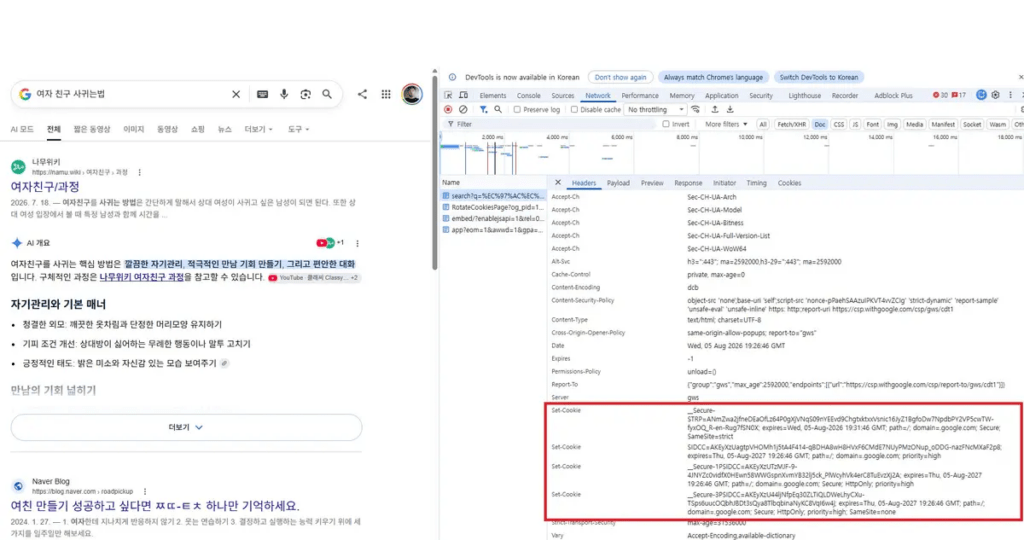
Cookies and Third-Party Tracking Tools
Cookies deserve a separate review because some data collection happens without the user typing anything into a form.
Essential cookies can support functions such as login sessions, shopping carts, security, or language settings. Optional cookies may be used for analytics, personalization, or advertising. Privacy guidance for global services commonly distinguishes essential technologies from non-essential advertising and analytics technologies and provides users with mechanisms for refusing or withdrawing optional consent.
When a website provides a cookie list or consent-management screen, look for the companies receiving identifiers through those technologies. Analytics platforms and advertising networks may receive browser identifiers, device information, page activity, or advertising-related signals.
Changing the cookie settings is only part of the review. After modifying your choices, reopen the consent panel or browser storage information to confirm that the preference was retained.
A useful cookie notice should make the distinction between necessary operation and optional tracking understandable rather than grouping every technology under a single “accept” decision.
Sharing Recipients and Overseas Transfers
The word “sharing” can describe several different relationships, so the recipient section deserves careful reading.
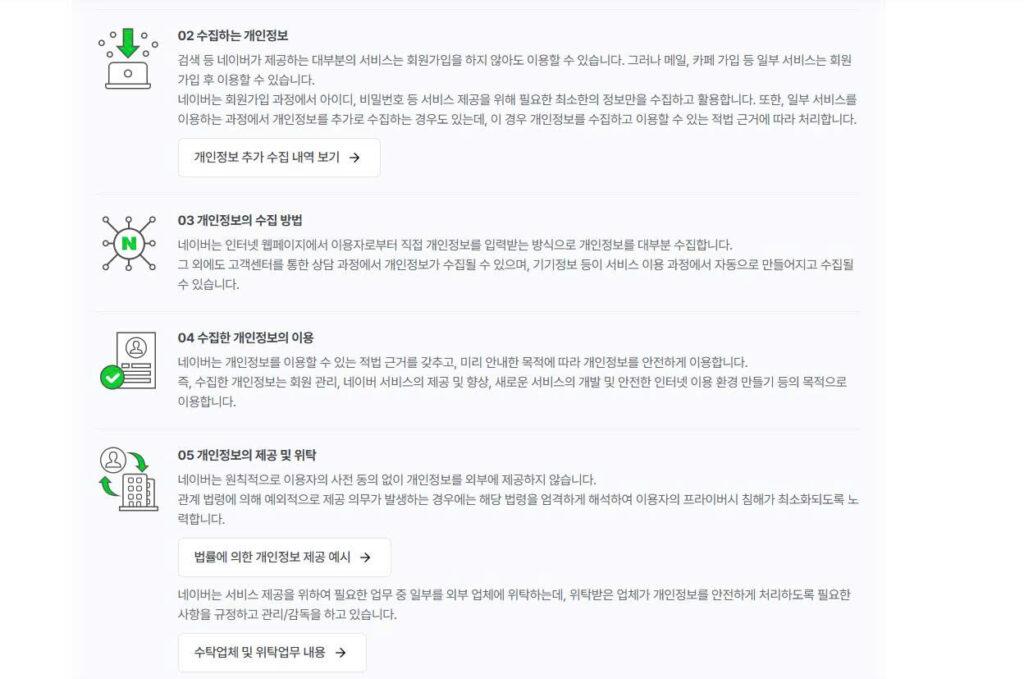
One company may process information on behalf of the service provider. Common examples include cloud hosting, payment processing, delivery, customer support, or messaging operations. Another company may receive information for purposes of its own.
These situations should not automatically be treated as identical.
When reviewing a privacy policy, organize recipients into categories such as affiliates, payment companies, advertisers, delivery providers, cloud operators, and customer-support companies. Then identify what information each category receives and for what purpose.
Overseas transfers require another layer of review. Look for the destination country, recipient, transferred information, purpose, transfer method, and retention period. Also check whether refusing the transfer is possible and what effect that refusal has on the service.
A statement such as “information may be shared with trusted partners worldwide” provides little practical information unless a detailed recipient or transfer table is available.
Retention Periods and Deletion Exceptions
The retention section explains what remains after the original purpose has ended.
Some information may be deleted when an account is closed, while other records can remain for additional periods because they are needed for legal obligations, accounting, transaction records, fraud prevention, security, or dispute resolution.
Instead of looking for one general sentence such as “information is retained only as necessary,” find the retention period for each important category.
A clear policy may distinguish account information from transaction records, support inquiries, security logs, or backups. If records remain after account withdrawal, the policy should indicate why they remain and how long that exception lasts.
It is also useful to find the actual deletion procedure. Removing an application from a phone is different from closing an account, and closing an account does not necessarily mean that every record disappears at the same moment.
For Korean users, the Privacy Portal provides procedures for requests involving access, correction or deletion, and suspension of processing. Requests may be directed to the organization holding the information or exercised through the relevant privacy services.
A practical policy should therefore tell users where to submit a request and how they can learn the result.
User Rights and Request Procedures
Privacy rights matter most when there is a realistic way to exercise them.
Look for an account privacy page, request form, email address, customer-service channel, or privacy officer. The Korean Privacy Portal describes rights including access, correction or deletion, and suspension of processing, although restrictions may apply depending on applicable legal requirements.
A deletion request does not always mean that every record must disappear immediately. Information required under another legal obligation or subject to a permitted retention exception may remain for a specified period.
For this reason, a useful request process should show what was requested, whether the request was accepted, what information was affected, and when processing was completed.
Detailed descriptions of privacy rights are less valuable when the policy does not provide a working method for exercising them.
Policy Revision History
The latest version of a privacy policy should not always be read in isolation. Previous versions can reveal changes that are difficult to notice from the current text alone.
Start with the revision or effective date. If earlier policies are available, compare sections covering collected information, purposes, recipients, overseas transfers, cookies, and retention periods.
A new version may introduce an additional advertising purpose, a new analytics provider, an overseas storage location, or another category of collected information. These changes may matter more to an existing user than wording changes in the introduction.
Also check how significant revisions are communicated. Depending on the service and the nature of the change, notification may appear through the website, email, application notices, or another designated channel.
Where a change depends on consent, look for information about whether users can decline the new processing, withdraw consent, or continue using only part of the service.
A Practical Privacy Policy Review
A useful privacy-policy review can be reduced to a short sequence.
First, identify the exact information collected and expand vague categories into their individual examples. Then match each important item to its stated purpose. Review optional permissions and determine whether refusing them affects basic functionality.
Next, examine cookie and tracking settings, followed by third-party recipients and overseas transfers. Separate companies acting for the service from organizations receiving information for independent purposes.
Finally, review retention periods, deletion exceptions, user-request procedures, and the revision history.
The length of a privacy policy is therefore less important than whether these relationships are easy to trace. A good review should leave you able to explain what the service knows about you, why it needs that information, where the information can go, how long it can remain there, and what options are available when you want that processing to stop.


