
 0
0
 0
0
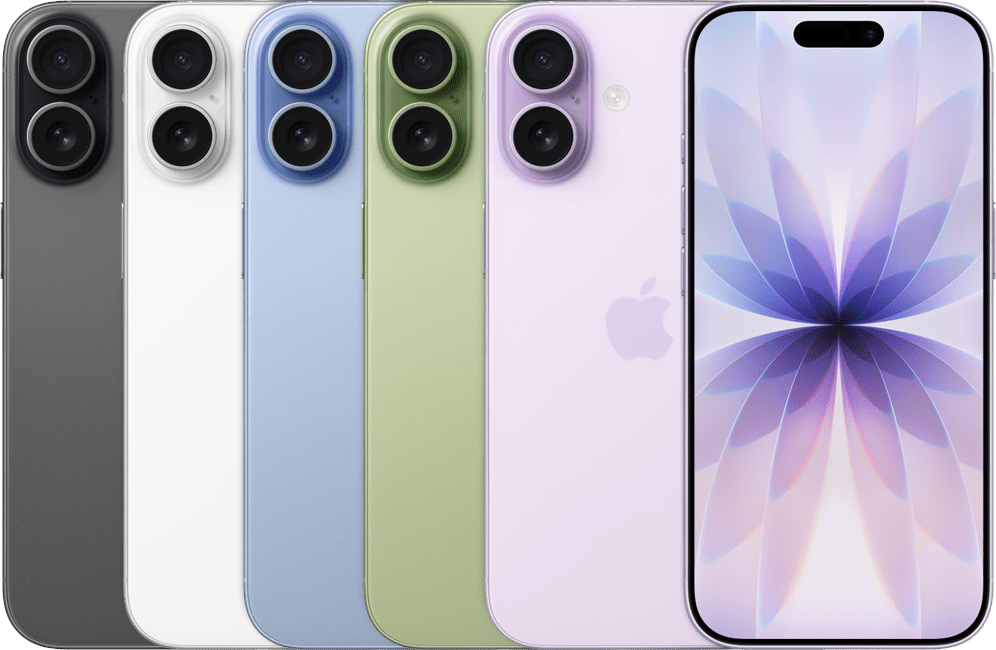
Shopping for consumer electronics across international borders frequently exposes buyers to a confusing naming convention. You might search for a specific flagship smartphone, laptop, or gaming console, only to find the exact same physical product listed under cryptic, alphanumeric model numbers. An iPhone 15 Pro Max might be labeled as A2849 in North America but A3102 in Europe; a Samsung Galaxy S24 Ultra might carry the Stock Keeping Unit (SKU) SM-S928U in the United States but SM-S928B globally.
These varying model suffixes are not marketing gimmicks designed to confuse consumers. Instead, they represent strict engineering, legal, and supply chain realities. Manufacturers assign distinct regional SKUs to manage localized telecommunications laws, regional power grid safety certifications, silicon supply constraints, and territorial warranty boundaries. Decoding these model numbers ensures you avoid buying hardware that suffers from cellular band incompatibilities, locked features, or voided warranty support in your home country.
Regulatory compliance and government certification mandates
The primary driver behind regional model diversification is legal compliance. Every sovereign nation or economic bloc enforces strict regulatory standards for consumer electronics before granting market clearance.
To legally sell a wireless device, manufacturers must obtain certification from local telecommunications agencies—such as the Federal Communications Commission (FCC) in the United States, the CE mark in the European Union, KC certification in South Korea, or Telec in Japan. Because each agency requires its specific compliance logo, safety warning text, and registration ID to be permanently printed on the device or its packaging, manufacturers must assign unique model numbers to track these legal variants.
Furthermore, regional model numbers reflect mandatory government feature dictates:
- Shutter Sound Mandates: Japanese (J/A) and South Korean (N) smartphones are legally required to emit an un-mutable camera shutter sound to combat privacy invasion, a feature hardcoded into the regional firmware tied to that specific model number.
- Antenna Infrastructure: US-specific smartphone models (like A2849) feature an extra cut-out window for millimeter-wave (mmWave) 5G antennas, whereas international models omit this hardware to lower production costs where mmWave networks do not exist.
- e-Waste Laws: European models must comply with strict EU battery disposal and USB-C standardization directives, prompting dedicated regional production runs.
Regional variation matrix across hardware and software specs
To quickly evaluate how hardware and software parameters shift across global markets, review this comprehensive regional variation matrix:
| Regional market code | RF modem & cellular bands | Internal hardware variations | Warranty & support scope |
| North America (e.g., US, LL/A, U) | Includes US mmWave 5G bands; eSIM-only (no physical SIM tray on newer iPhones). | Typically features Qualcomm Snapdragon SoCs; custom 5G antenna cutouts. | Restricted to US/Canada. Local service centers in Asia/EU will deny repairs. |
| Global / Europe (e.g., B, EU, ZD/A) | Sub-6GHz 5G; wide international LTE band support for global roaming. | Physical SIM + eSIM support; EU-compliant charging and battery safety circuits. | Valid across EU member states. Often rejected by North American repair centers. |
| China / Hong Kong (e.g., ZA/A, CH) | Customized regional 4G/5G bands tailored to domestic carriers (China Mobile/Unicom). | Dual Physical SIM trays (no eSIM support on many models); disabled FaceTime Audio. | Restricted to mainland China, Hong Kong, or Macau service centers. |
Internal hardware splits: Processors, modems, and physical SIM trays
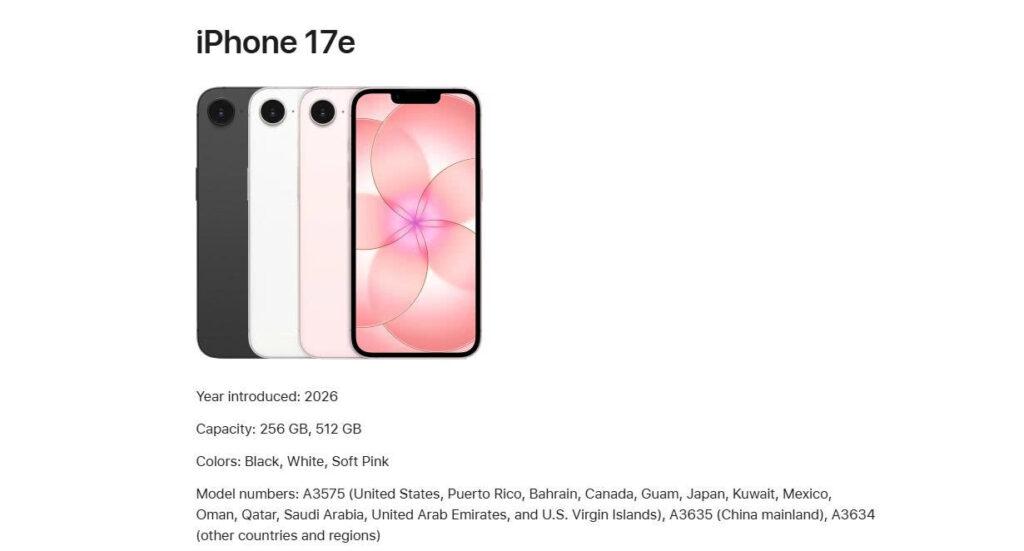
Beyond external logos, two products sharing the same marketing name can house completely different silicon and structural components depending on their model number.
Silicon and processor swaps (Qualcomm vs. Exynos/MediaTek)
Global supply chain economics and local modem patent licensing frequently force manufacturers to swap System-on-Chips (SoCs) based on model numbers. A prime example is Samsung’s Galaxy S-series strategy. A model ending in U (United States) or N (South Korea) might ship with a Qualcomm Snapdragon processor, whereas the exact same phone model ending in B (Global/Europe) may ship with an in-house Exynos chip.
These silicon splits alter the device’s daily operational profile—resulting in measurable differences in battery efficiency, thermal throttling under heavy gaming loads, and image signal processing (ISP) for camera performance.
Cellular frequency band fragmentation and eSIM adoption
Radio Frequency (RF) modem configurations are heavily fragmented globally. Cellular carriers in North America utilize different 4G LTE and 5G spectrum frequencies than carriers in Europe or Asia. A model built for the US market contains power amplifiers tuned specifically for US carrier bands. If you import that model to Asia, it may suffer from dropped calls or fallback to slower 3G/4G speeds because it lacks the local mid-band 5G frequencies.
Furthermore, physical tray design varies. Recent North American iPhone models completely eliminated the physical SIM card tray in favor of dual-eSIM technology. Conversely, models manufactured for Hong Kong and China (ZA/A) feature a specialized dual-sided physical SIM tray while completely disabling eSIM functionality at the hardware level.
Decoder guide for manufacturer SKU suffix conventions
To identify a device’s origin before completing a purchase, you must learn to read the manufacturer’s alphanumeric SKU code.
Decoding Apple, Samsung, and Sony model suffixes
Major tech manufacturers use systematic coding conventions in their Part Numbers:
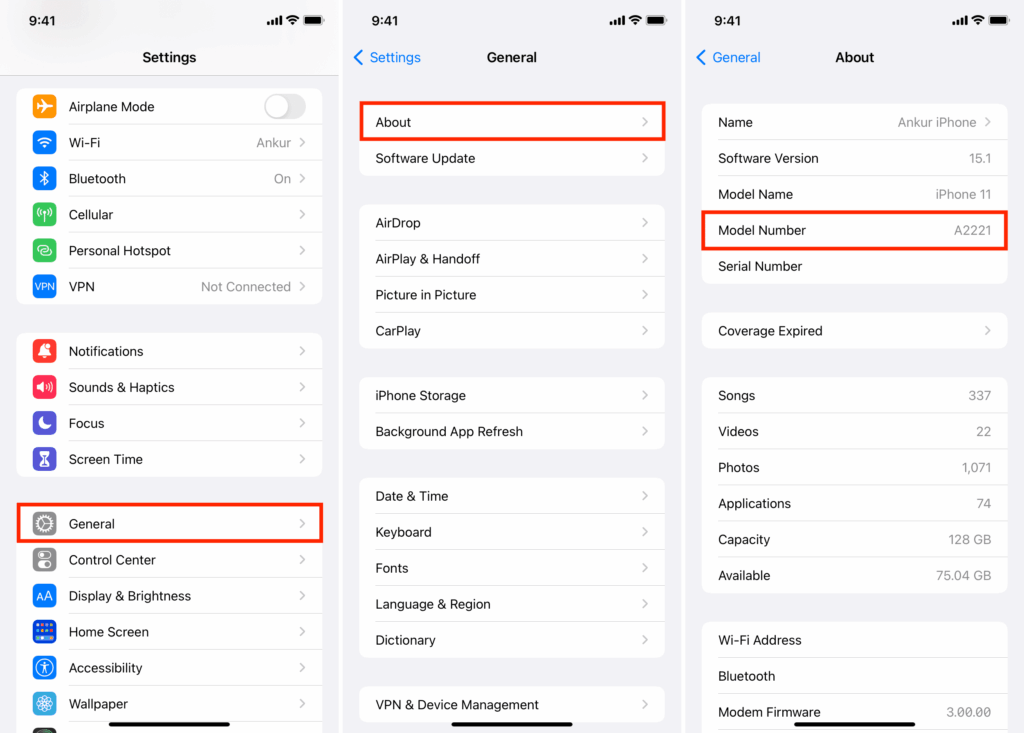
- Apple Part Numbers: Found under Settings > General > About, the letters preceding the slash indicate the destination region. LL/A indicates United States, J/A indicates Japan, ZA/A indicates Singapore/Hong Kong, EU/A indicates Europe, and VN/A indicates Vietnam.
- Samsung Model Numbers: Found on the back glass or settings menu, the suffix letter reveals the regional tier. U or U1 indicates US carrier/unlocked, N indicates South Korea, B or DS indicates Global Dual-SIM, and W indicates Canada.
Cross-referencing physical labels with support portals
Never rely purely on retailer product titles, as third-party sellers frequently copy-paste generic descriptions. Always inspect the physical device label. On smartphones, the true model number is laser-engraved inside the SIM card slot or printed on the lower glass back. On laptops and gaming consoles, it resides on the bottom rating plate.
Before buying an imported device, take that physical model number and run it through the manufacturer’s official support database. This verification instantly reveals the device’s original manufacture date, factory-installed operating system region, exact RF band compatibility list, and whether it qualifies for local authorized service center repairs.


